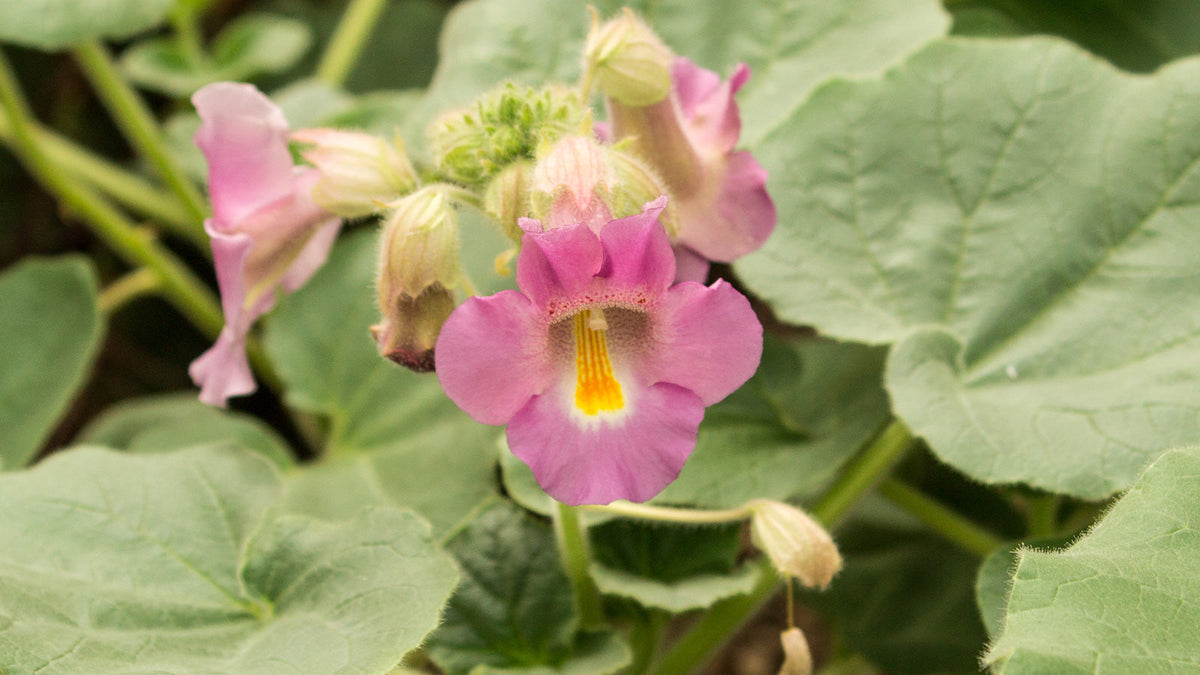
Devil’s Claw (Harpagophytum procumbens (Burch.) DC., family Pedaliaceae) is a spontaneous herbaceous plant native to the arid regions of southern and eastern Africa, in particular the savannas of the Transvaal, Namibia, and the Kalahari, where the ancient nomadic people of the Bushmen live.
It is a creeping herbaceous plant with red-violet flowers. Its hooked fruits often accidentally attach themselves to the legs of animals, which, in trying to free themselves, become violently agitated, as if possessed by the devil: hence its common name “Devil’s Claw.” The seeds are thus strategically dispersed, promoting the plant’s spread in the surrounding environment.
The root of Devil’s Claw was introduced into Europe at the beginning of the 20th century by a soldier who had observed its use in Namibia, formerly a German colony. Since then, scientific studies have confirmed its usefulness for joint well-being and for maintaining natural flexibility and elasticity.
Part used and main constituents
The most commonly used part of the plant is the secondary tuberous root, from which standardized extracts can be obtained through specific processing methods.
The root naturally contains several compounds, including iridoid glycosides, with particular reference to harpagoside, considered one of the main quality markers of the species. It also contains phenolic glycosides, carbohydrates, amino acids, flavonoids, and sterols.
Standardization and harpagoside content
The root of Harpagophytum procumbens generally shows a variable content of harpagosides (between 1% and 3%), depending on botanical origin, extraction method, and product standardization.
Standardization of active compounds is an important parameter in the characterization of plant extracts used in food supplements.
A plant adapted to extreme environments
Devil’s Claw grows spontaneously in desert and semi-arid areas, such as the Kalahari, where it has developed roots capable of storing nutrients and adapting to particularly harsh environmental conditions.
Use in food supplements
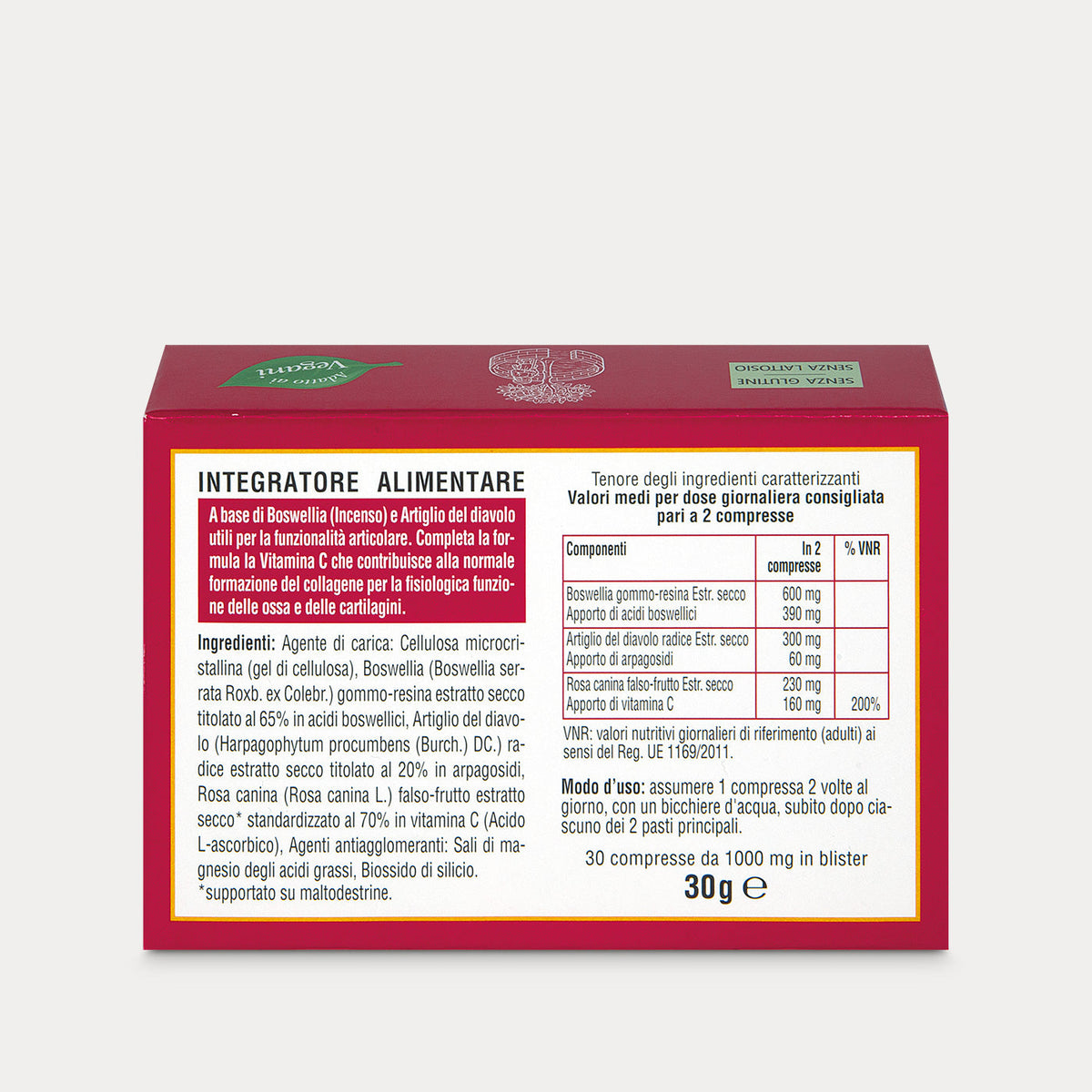
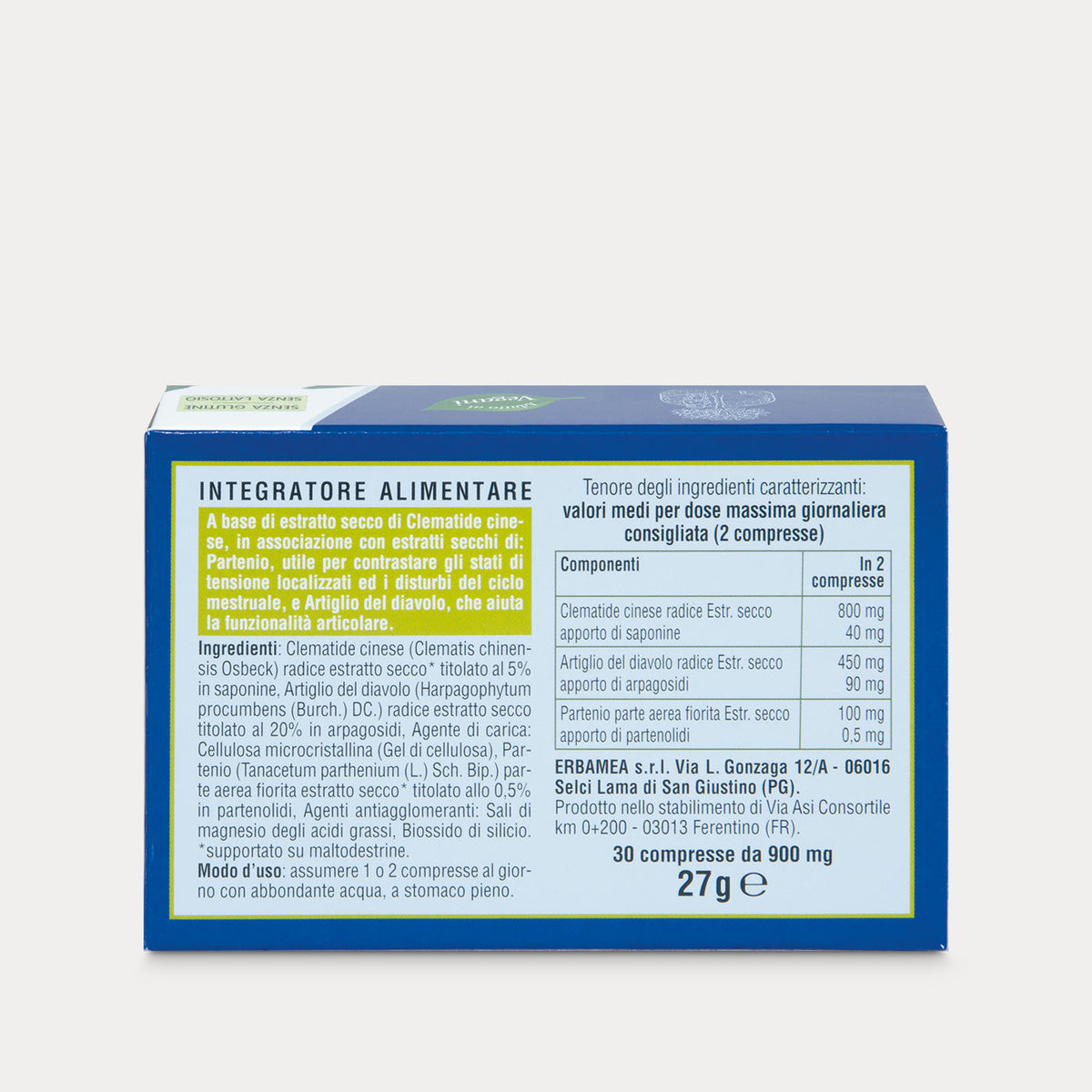
Today, Devil’s Claw root extract is widely used in food supplements, often in combination with other plant extracts, in formulations designed to support joint function.
Devil’s Claw and joint health
Devil’s Claw is an African plant with a long tradition of use and a well-studied phytochemical profile. The root is now valued mainly for its harpagoside content and for the use of its extracts in food supplements supporting joint function.
Dr. Andrea Cima - Pharmacist and R&D Specialist - Erbamea