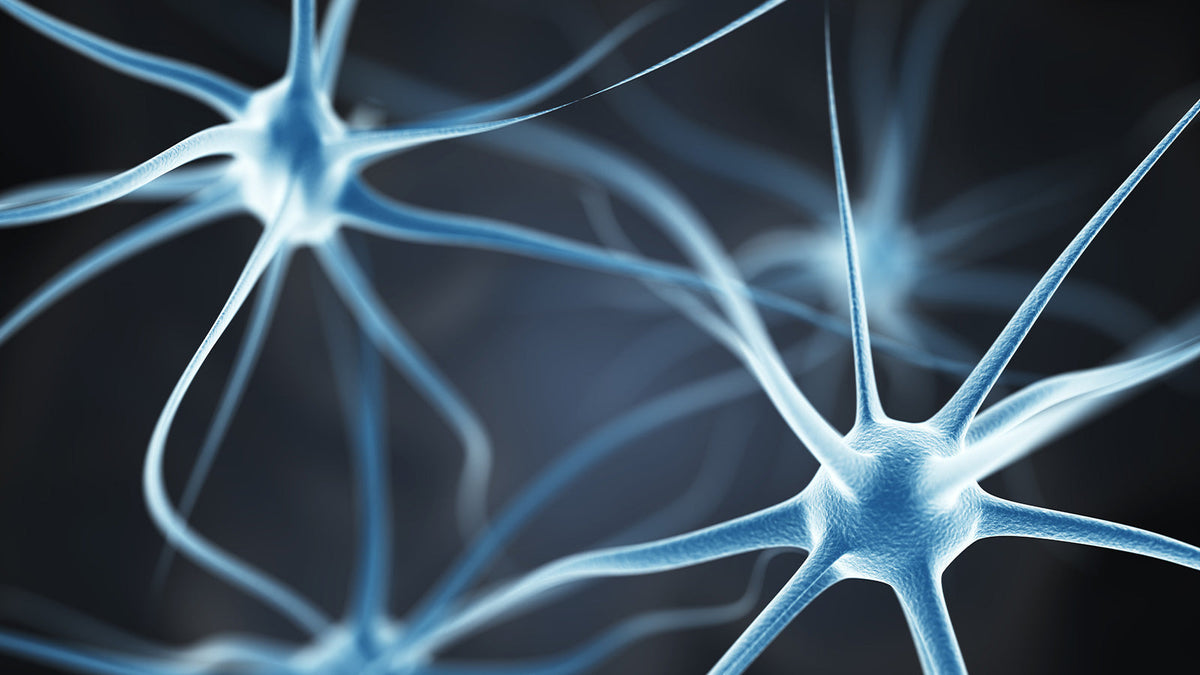
What is citicoline and what is it used for?
Citicoline, also known as CDP-choline, is a molecule naturally present in the human body. It is composed of cytidine and choline and is involved in the synthesis of phospholipids, particularly phosphatidylcholine, one of the main components of cell membranes.
This process is particularly important in tissues with high metabolic activity, such as the nervous system, where the continuous renewal of cell membranes is essential for the physiology of neurons.
Citicoline and choline: recognised benefits
Once ingested, citicoline is metabolised to produce choline, an essential nutrient.
According to the EFSA (European Food Safety Authority), choline:
- contributes to normal lipid metabolism
- contributes to normal homocysteine metabolism
- contributes to the maintenance of normal liver function
Why citicoline is so widely studied
Citicoline is the subject of numerous studies due to its role in biochemical processes linked to cell membranes and the nervous system.
In the scientific community, it is analysed for its involvement in membrane renewal and in the mechanisms regulating the physiology of nerve cells, aspects that are central to maintaining cellular integrity over time.
Bioavailability and metabolism
Following oral administration, citicoline is rapidly absorbed in the intestine and subsequently hydrolysed into its main physiological metabolites, choline and cytidine.
These compounds enter the body’s normal metabolic processes: choline participates in the synthesis of membrane phospholipids and acetylcholine, whilst cytidine is converted into uridine and involved in cellular nucleotide pathways.
This metabolic profile allows for high oral bioavailability of its active components, which are integrated into the body’s normal physiological pools.
Citicoline and the nervous system
The scientific literature has also explored citicoline in experimental models related to nerve cell function.
In this context, it has been observed that its metabolites participate in physiological processes that also occur within the central nervous system, helping to explain the research interest in this molecule within the field of neuronal physiology.
These areas of study concern normal cellular mechanisms and do not imply therapeutic effects.
Where it is found and how to take it
Citicoline occurs naturally in the body as a metabolic intermediate. Choline is found in foods such as eggs, meat, fish and pulses.
In dietary supplements, citicoline is produced through controlled processes that guarantee its quality and purity, making it an easily utilised source of choline.
Citicoline: the role in cellular processes and neuronal physiology
Citicoline is a molecule of great scientific interest, studied for its role in phospholipid synthesis and choline metabolism.
Thanks to its characteristics and its involvement in cellular processes, it is often considered within nutritional strategies aimed at supporting overall balance, particularly during periods of intense mental exertion.
Its involvement in mechanisms linked to the renewal of cell membranes and neuronal physiology helps to explain why it is the focus of attention in research into the processes that regulate the maintenance of normal physiological processes of the nervous system over time.
Dr. Andrea Cima - Pharmacist and R&D Specialist - Erbamea