Throughout the year, there are times when the body may need extra support: seasonal changes, colder months, or periods of increased stress can challenge its natural defenses.
In these contexts, many people choose natural solutions to support overall well-being.
Among them, Echinacea is one of the most appreciated plants in modern herbal medicine for its role in supporting the immune system.
What is Echinacea
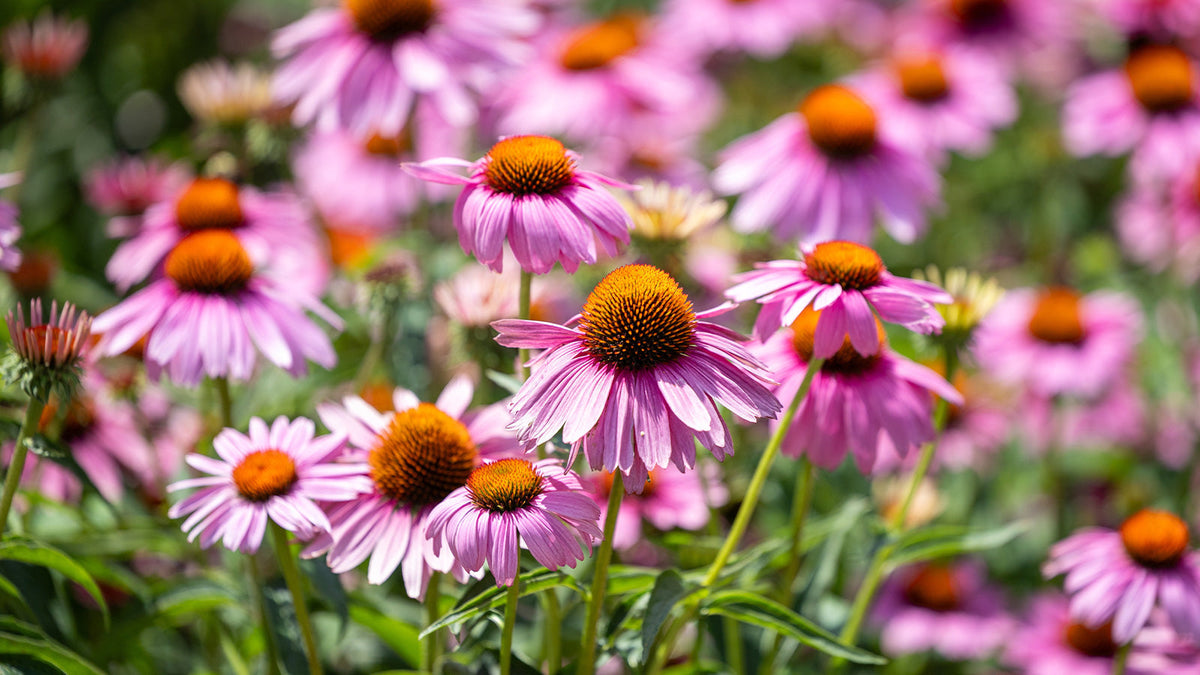
Echinacea is a perennial herbaceous plant that can reach up to 80 cm in height, belonging to the Asteraceae family. It is recognizable by its daisy-like flowers, with brightly colored petals ranging from pink to pale purple depending on the species.
Origins and tradition
Native to the Great Plains of North America, where it grows wild, Echinacea was already used by Native American populations, who were familiar with its properties and incorporated it into their herbal traditions.
Over time, this plant also became part of European herbal medicine, and its cultivation in Europe began around the mid-19th century. Today, it is one of the most widely used ingredients in natural immune-support supplements.
Echinacea: what it is used for and its benefits
When discussing the benefits of Echinacea, it is important to use correct language in line with current regulations, referring to Annex 1 of Ministerial Decree of 10 August 2018 issued by the Italian Ministry of Health, which regulates the use of "botanicals" in food supplements.
Echinacea is currently mainly used to support the body's natural defenses, helping the body in periods when it is more exposed to external factors. In addition, some Echinacea-based formulations may support the function of the upper respiratory tract, making them useful during colder months.
How and when to take Echinacea
Echinacea can be included in the daily routine at different times of the year, especially when support for natural defenses is desired.
Recommended periods
- Seasonal changes (autumn and spring)
- Winter season
- Periods of increased stress or fatigue
Available forms
Echinacea-based supplements are available in several forms to suit individual needs:
- Capsules: convenient and pre-dosed
- Liquid extracts: easily absorbed
- Herbal teas and infusions: ideal for a daily wellness ritual
The choice of format depends on personal preference and specific needs.
Echinacea species: main differences
Among the species used in herbal medicine, Echinacea angustifolia, Echinacea purpurea and, Echinacea pallida are the most relevant, each with specific characteristics that determine their use and formulations.
Echinacea angustifolia
Echinacea angustifolia DC., is the species of greatest interest in modern herbal preparations; the root is the part used. It is characterized by a significant content of lkylamides, natural compounds that contribute to its distinctive phytochemical profile. Another important active compound is echinacoside (a caffeic acid derivative).
Interestingly, the fresh root, when chewed, has a slightly pungent taste and may cause a temporary tingling sensation or mild numbness of the tongue. This feature makes it easily distinguishable from the other two species.
Echinacea purpurea
Echinacea purpurea (L.) Moench, mainly uses the aerial parts of the plant (flowers and leaves) and is characterized by a good content of polysaccharides. It is often used in products designed to support natural defenses and overall well-being. Compared to angustifolia, it has a lower content of alkylamides and a milder organoleptic profile.
Echinacea pallida
Echinacea pallida (Nutt.) Nutt., has intermediate characteristics but is generally milder than the other species. Its roots contain very low amounts of alkylamides and are less pungent, with a gentler organoleptic profile. The root of Echinacea pallida contains up to 2% essential oil (absent in E. angustifolia).
These differences among Echinacea species are essential when selecting raw materials and formulating supplements, as they allow for the creation of synergistic blends to obtain more complete and balanced products.
Curiosities
The traditional uses among Native North American peoples are particularly interesting. For example, the Comanche used Echinacea purpurea root for sore throat and toothache. The Choctaw used it for digestive disorders and cough.
Herbal synergies
Echinacea is often combined with other natural ingredients to create synergistic formulas that support overall well-being.
Common examples include:
- Astragalus: known for its role in supporting natural defenses
- Maitake, Shiitake, and Reishi: adaptogenic mushrooms used in Eastern tradition
- Vitamin C (from Acerola or Rosehip): contributes to normal immune system function
These combinations make supplements more complete and suitable for seasonal or continuous use.
Echinacea: a natural ally for the immune system
Echinacea represents a natural and conscious choice for those who wish to support the body’s natural defenses in a balanced way. When included in a healthy routine and combined with a proper lifestyle, it may contribute to overall well-being during periods of greater need.
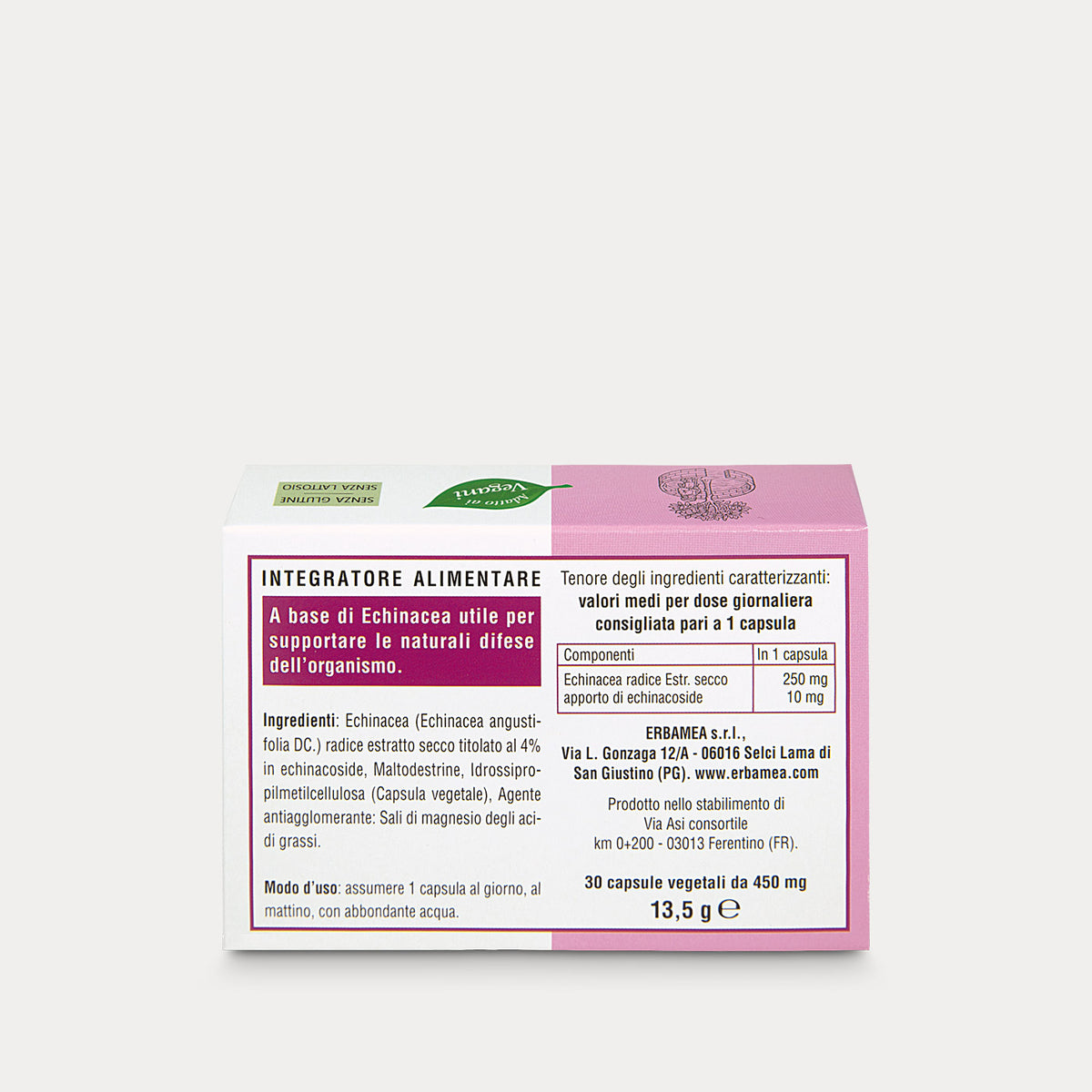
To achieve the best results, it is important to choose high-quality natural supplements made from selected and standardized raw materials.
Taking care of one’s well-being is an ongoing journey: relying on nature, with awareness, can be a valuable ally every day.
Dr. Andrea Cima - Pharmacist and R&D Specialist - Erbamea